 Login
Login
 Please specify the quantity of product(s).



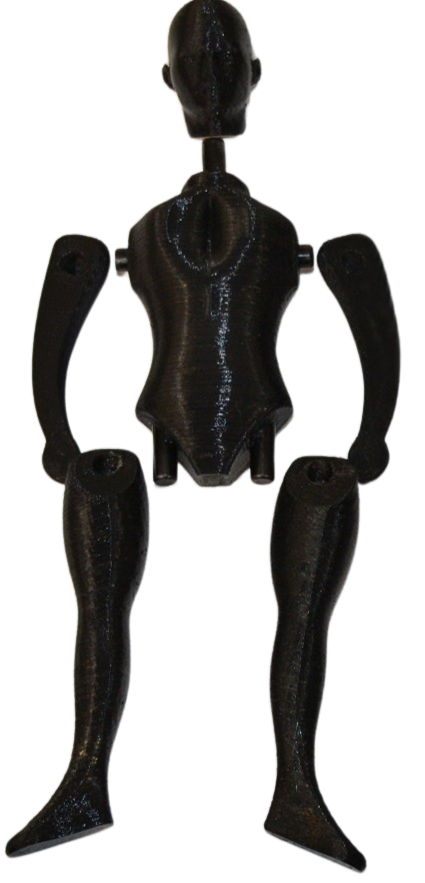
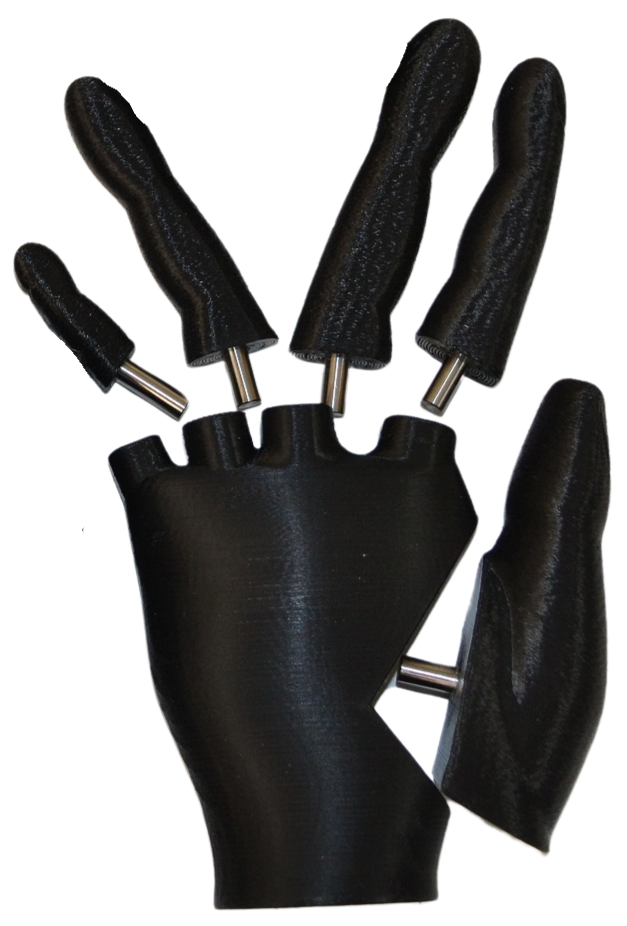
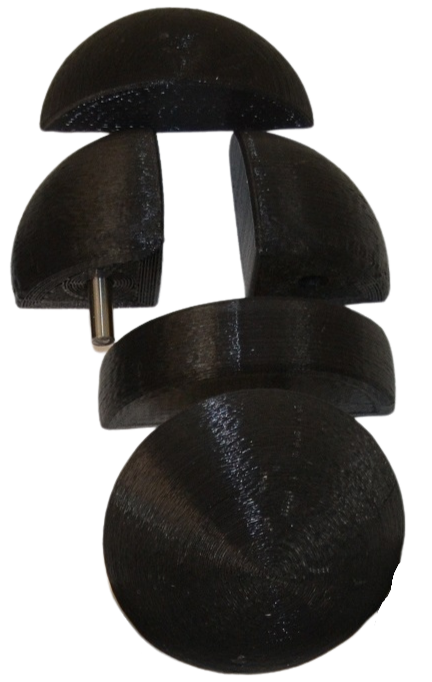
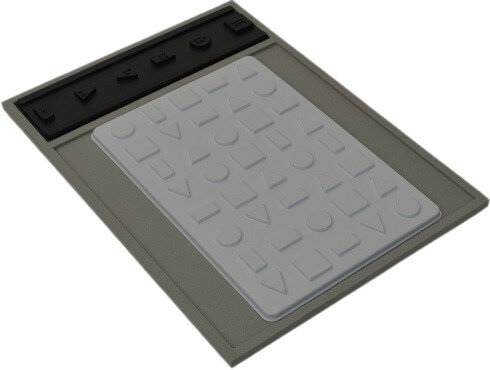
Neuropsychological Assessment of Adults with Visual Impairment (NAAVI) Kit
Neuropsychological Assessment of Adults with Visual Impairment (NAAVI), published by Stoelting, is a comprehensive assessment kit that guides readers through a full battery of neuropsychological and cognitive tests for individuals with visual impairments or blindness.
| Item | Product | Price | QTY |
|---|---|---|---|
| 31736 | Neuropsychological Assessment of Adults w/Visual Impairment | $1,495.00 | |
| 31736M | NAAVI Manual | $140.00 | |
| 31736F | NAAVI Tactual Formboard Test | $110.00 | |
| 31736P | NAAVI Pattern of Search Test | $91.00 | |
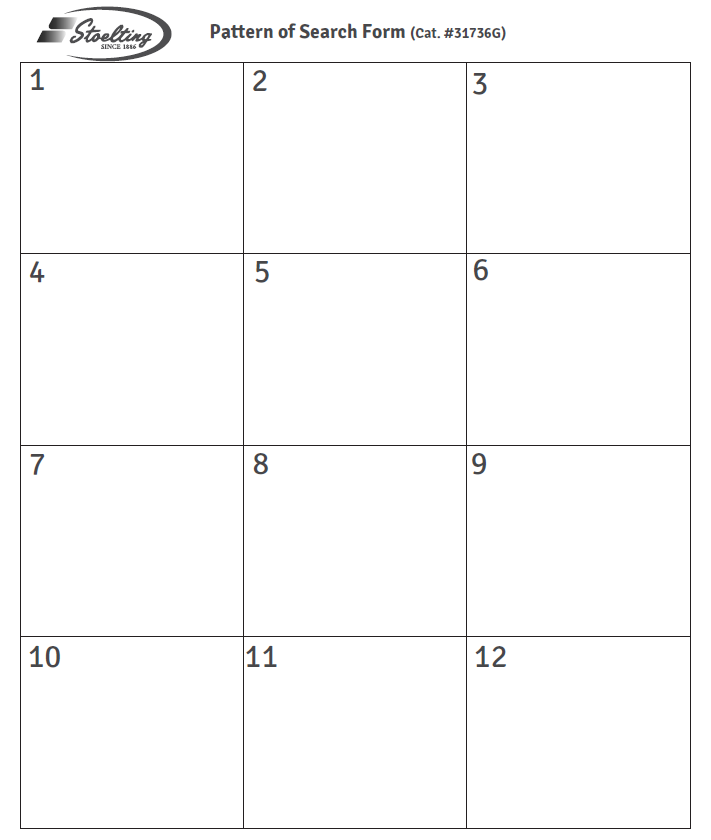
| 31736G | NAAVI Pattern of Search Test Forms, Pk/50 | $57.00 | |
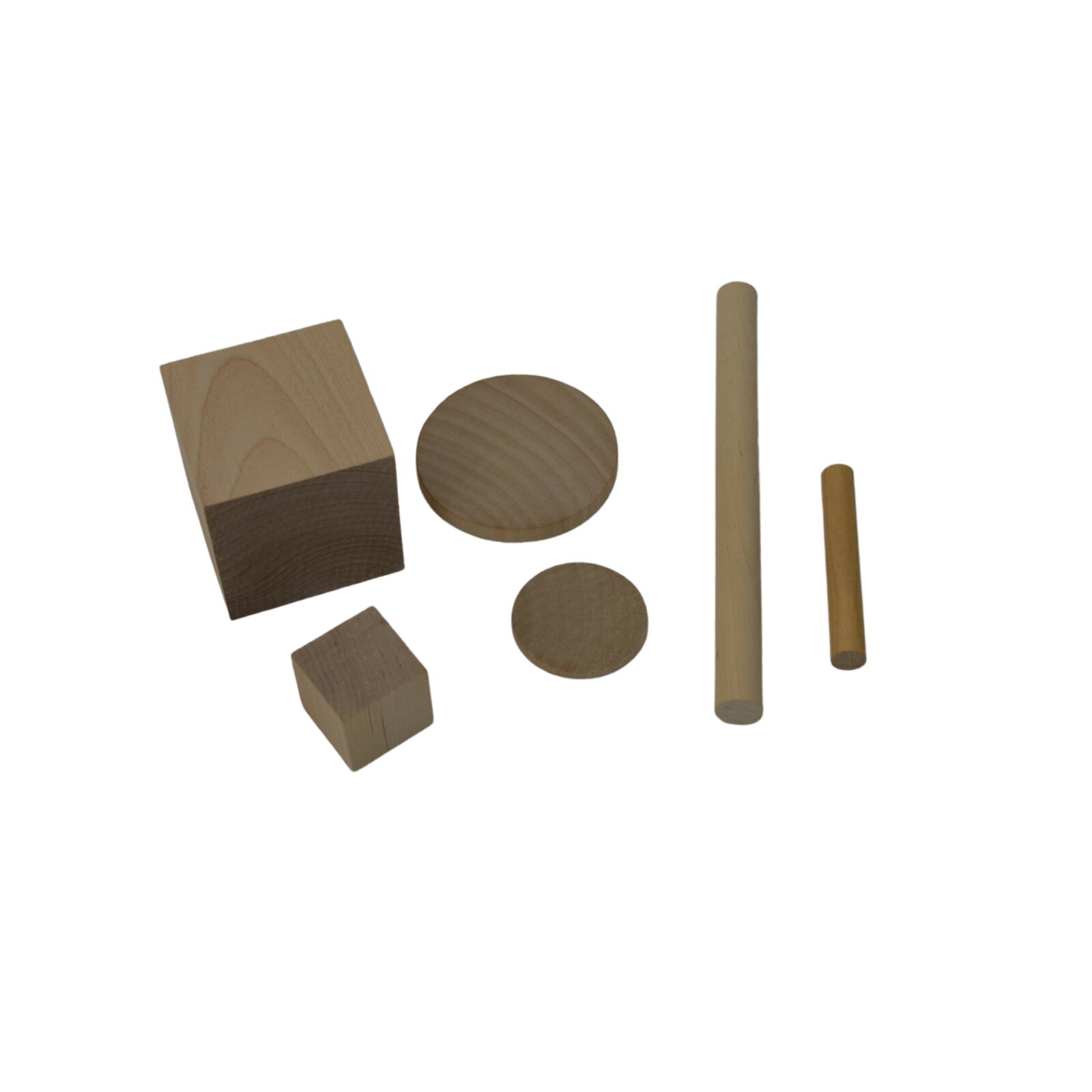
| 31736B | NAAVI Object Assembly - Block | $110.00 | |
| 31736C | NAAVI Object Assembly - Doll | $165.00 | |
| 31736H | NAAVI Object Assembly - Hand | $165.00 | |
| 31736L | NAAVI Object Assembly - Ball | $110.00 | |
| 31736D | NAAVI Digit Symbol Boards | $86.00 | |
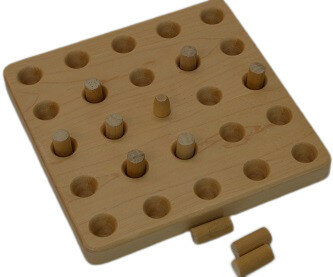
| 31736R | NAAVI Pattern Board and Pegs | $100.00 | |
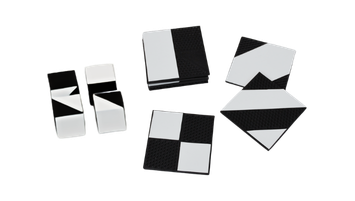
| 31736T | NAAVI Tactile Block Design | $215.00 | |
| 31736A | NAAVI Adapted Token Test | $30.00 | |
| 31736Y | NAAVI Tray | $65.00 |
 Add to Cart
Neuropsychological Assessment of Adults with Visual Impairment (NAAVI)
Published by Stoelting, the NAAVI is a comprehensive combined textbook and neuropsychological assessment for persons without vision or with limited vision.
By John T. Gallagher, Ph. D. and Katherine A. Burnham
| Age Range: | 16-70+ |
| Time: | 60-90 minutes |
| Qualification Level: | B |
| Administration: | Paper-and-pencil, includes manipulatives |
| Benefit: | Assessment of individuals with visual impairment |
| Publish Date: | 2017 |
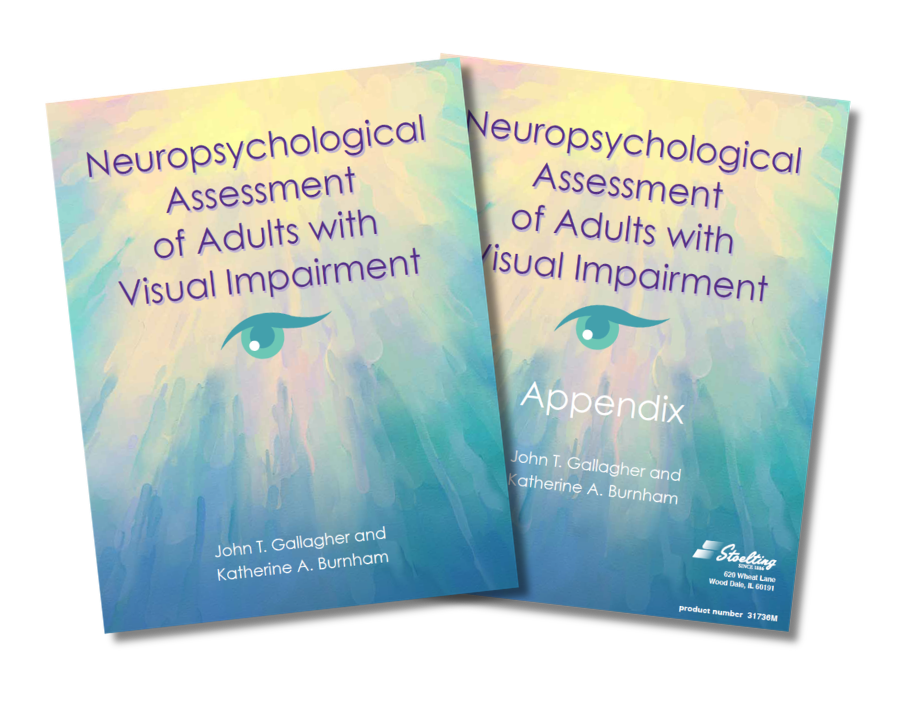
The NAAVI comes with a Manual (consisting of two bound books: a Textbook and a separate Appendix) and all manipulatives that allow clinicians to administer a full neuropsychological assessment of blind individuals.
The NAAVI Manual - Textbook and Appendix
The NAAVI Textbook provides a comprehensive review of all facets of neuropsychological assessment of those with visual impairments. The authors draw on their extensive experience treating individuals with visual impairments and developing assessments to provide a comprehensive understanding of individual functioning.
The authors begin by reviewing the visual system, problems that can occur in the visual system, neuropsychological functions, and how they are impacted by visual issues, how to assess neuropsychological functions without vision, a history of cognitive and neuropsychological assessment of those with visual impairments, and how the assessments covered in this kit were developed. It includes reviews to help clinicians identify effective tools for assessment work with this population. The author also presents a novel condition involving visual impairment and low birthweight. Please see the "Resources" tab for samples of the manual, including the Table of Contents.
Research is reviewed, which substantiates the development, reliability, and validity of the assessment. It is not sufficient to only use existing verbal assessments in nonvisual assessment, as a great deal of functions are not assessed in this way. In addition, verbal skills may be compromised, which would impact performance. Subtests in the NAAVI assess all facets of functioning, including nonvisual and nonverbal skills.
As a result of the information in this book, the clinician will be prepared to provide assessments for the visually impaired in the areas of:
- Vocation
- Academics
- Personality
- Intelligence (Verbal and Nonverbal)
- Neuropsychology
- Executive Functioning
- Spatial Ability
- Memory (Verbal and Nonverbal)
- Special clinical populations include: low birth weight, with a new Pervasive Developmental Disorder defined
The NAAVI Appendix provides an overview of each NAAVI subtest; instructions for administration, scoring, and interpretation; reproducible record forms, score forms, scoring guides, and the Guided Clinical Interview and Assessment Form (Pattern of Search Test Record Form 31736G sold separately); and normative data tables.
The Textbook provides the grounding and the Appendix and subtests provide the tools to enable the clinician to gain a thorough understanding of individuals with nonvisual assessment. The textbook could serve as a reference for use in an assessment class or for a clinician seeking to gain an understanding of nonvisual assessment. Unlimited reproduction of assessment forms are included with the purchase of the manual.
NAAVI Kit
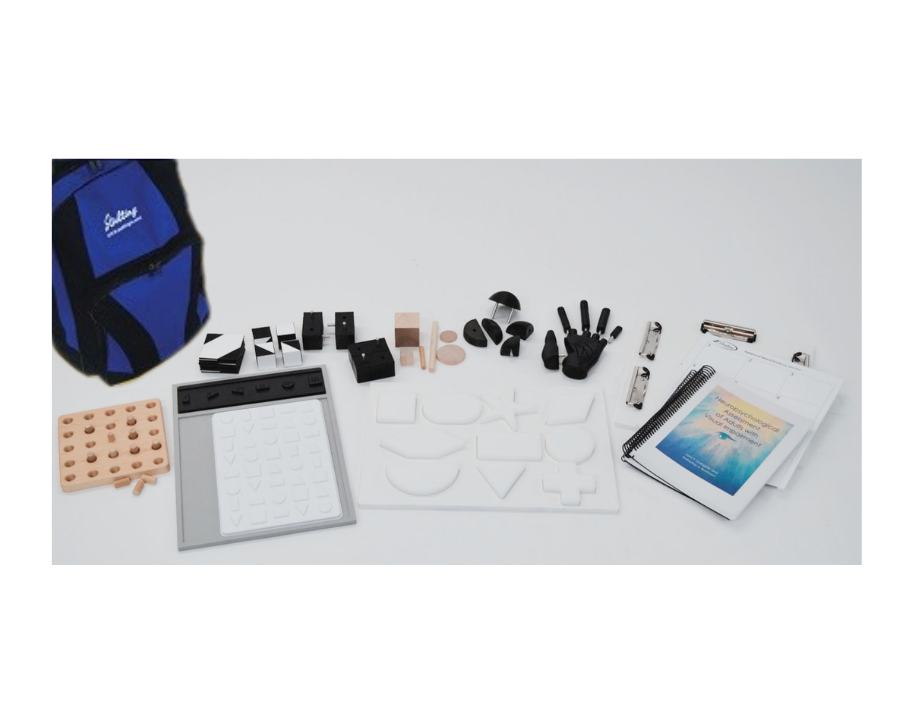
The NAAVI Kit is a full neuropsychological assessment battery comprised of ten subtests for individuals with visual impairments. The kit includes all manipulatives, instructions for administration, record forms, and summary forms to administer a complete assessment of an individual's cognitive and neuropsychological functions. Normative scores are provided to contextualize individual performance in terms of the performance of others with visual impairment.
| Subtest | Area Assessed |
|---|---|
| Adapted Token Test | Receptive language, hearing, understanding directions, and immediate verbal retention |
| Rey Auditory Verbal Learning Test | List learning, incidental memory, episodic memory |
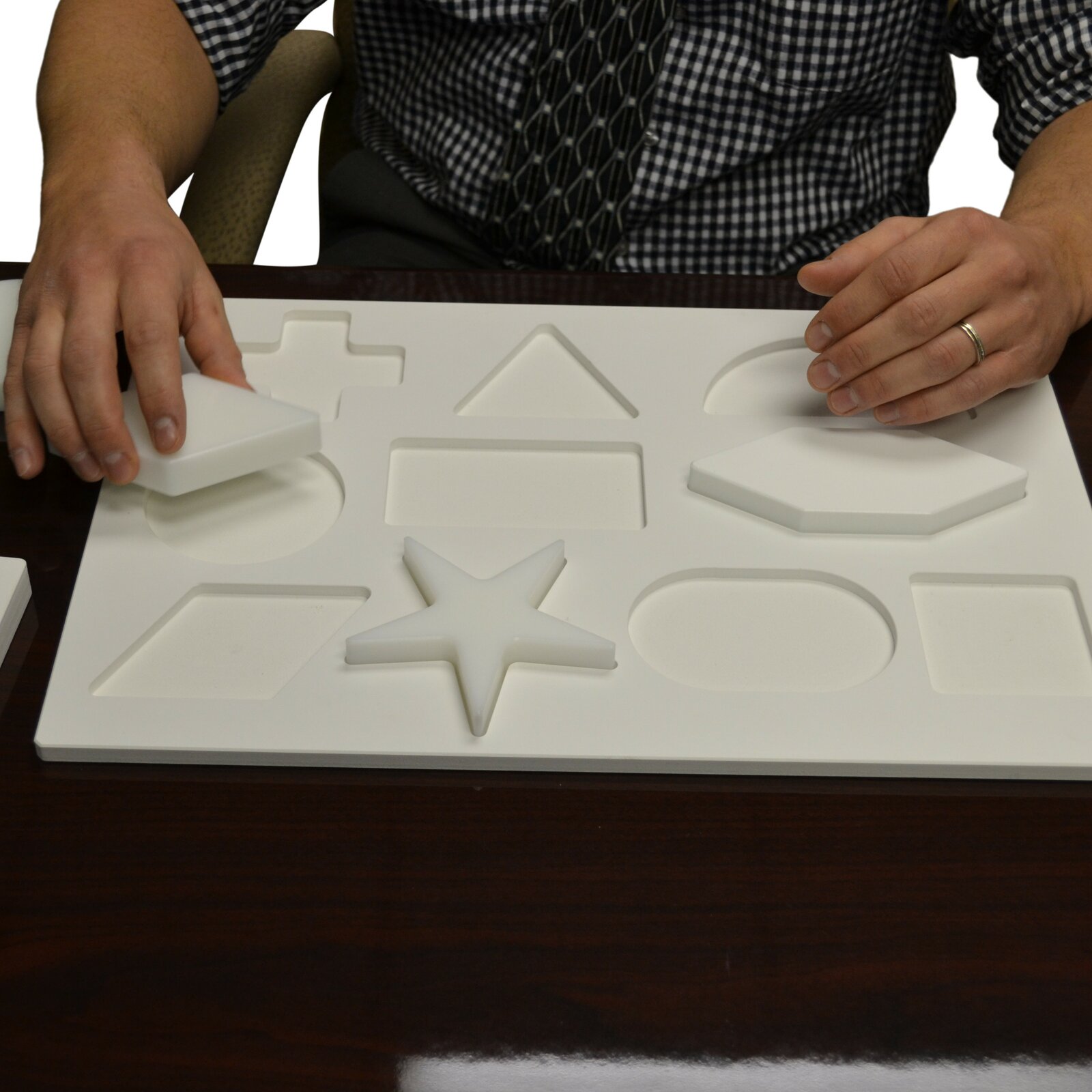
| Tactual Formboard Test (TFBT) | Spatial exploration, spatial learning, spatial distortion, spatial relations, motor coordination, sustained attention, recognition and recall |
| Auditory Cancellation Test | Attention - immediate and sustained, impulsivity, response monitoring, adaptability |
| Digit Symbol | Spatial learning, working memory, haptic sense, processing speed, spatial awareness and memory, spatial orientation |
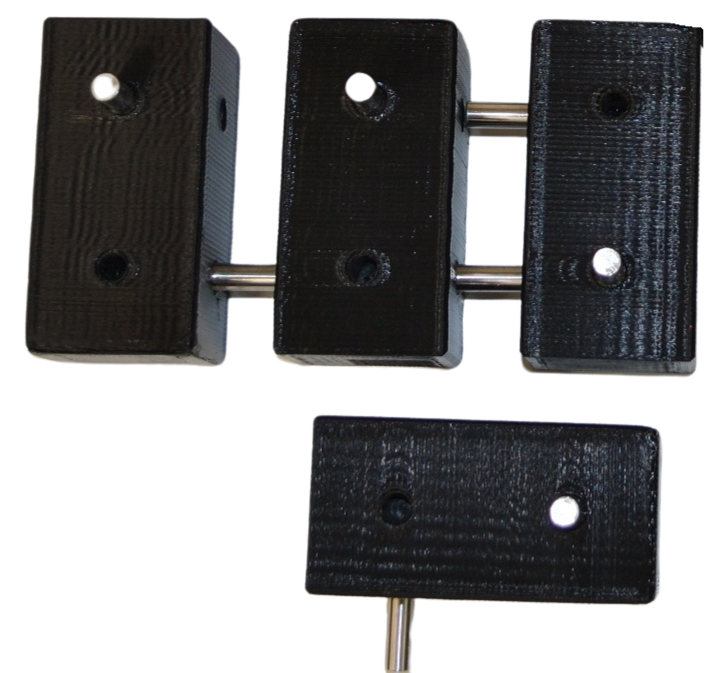
| Block Design | Spatial understanding, tactual-spatial understanding, spatial rotation understanding, pattern analysis, spatial construction |
| Object Assembly | Spatial understanding, spatial construction, manual dexterity, assembly skills, part-to-whole reasoning and construction, problem solving |
| Pattern Board | Tactual-spatial memory, spatial preference, spatial distortion, verbal memory, and kinesthetic memory |
| Pattern of Search Test | Spatial planning, executive function, thoroughness of spatial exploration, and spatial functioning |
Subtests are designed to be modular and may be purchased separately, allowing clinicians to construct a battery to meet their needs. Specific case examples make the assessment process come alive and make the procedures easy to understand and administer.
Purchasing Options:
The Neuropsychological Assessment of Adults with Visual Impairment (NAAVI) Kit (31736) includes the Manual (Comprised of the Textbook and Appendix) with all Assessment Forms (unlimited reproduction), all subtests and associated manipulatives listed above, a tray for holding and administering subtests, and a rolling backpack to carry all items.
The NAAVI Manual (31736M) consists of bound books: the Textbook which provides an overview of neuropsychological assessment of adults with visual impairment, and the Appendix which provides an overview of each NAAVI subtest; instructions for administration, scoring, and interpretation; reproducible record forms, score forms, scoring guides, and the Guided Clinical Interview and Assessment Form (Pattern of Search Test Record Form 31736G sold separately); and normative data tables.
Some NAAVI subtest manipulatives are also available for purchase individually if the whole NAAVI Kit is not needed (please click each assessment to go to that product page):
- Adapted Token Test (31736A)
- Digit Symbol (31736D)
- Tactual Formboard Test (31736F)
- Pattern of Search Test (31736P & 31736G)
- Object Assembly (31736B, 31736C, 31736H, 31736L)
- Pattern Board Test (31736R)
- Tactile Block Design (31736T)
Assessment Forms and Resources
Assessment Forms
Below you can see samples of the Summary and Record Forms, and the Guided Assessment Clinical Interview. The full unredacted Summary and Record forms are available to those purchasing the test upon request.
Resources
Preview the NAAVI Table of Contents and Manual introduction:
The following link provides an example of using one of the NAAVI subtests. The Tactual Formboard Test (TFBT) is one of the subtests included in the NAAVI. This one subtest yields a great deal of interpretive information. The NAAVI manual explains how to use this subtest, as well as other NAAVI subtests and other tests in general, to obtain information about different neuropsychological areas of functioning.
The following link is a case study that illustrates the use of the NAAVI to assess an individual with visual impairments:
The following link contains an Interpretation Guide for the NAAVI. It summarizes interpretive information that each of the subtests yields. It provides a chart listing the different areas of functioning that the subtests assess. This is followed by references to the manual explaining how the subtests assess those different areas and the location of that information in the manual:
The following link contains a pdf of a poster presentation presented at the American Congress of Rehabilitation Medicine (ACRM). It summarizes the NAAVI and reviews specific applications, including identifying individuals with low birthweight and intellectual disabilities, and how the NAAVI can help predict travel independence: